
Individual Training · 1 day
Professional Scalp Micropigmentation & Hair Density Illusion Techniques
Discover the art of creating the appearance of fuller-looking hair through professional scalp micropigmentation. Learn realistic follicle simulation, natural hairline design, scalp assessment, pigment selection, and precision dot-placement techniques through structured lessons and guided hands-on practice. Designed for aspiring SMP artists and beauty professionals who want to develop the technical knowledge, artistic judgment, and confidence to explore specialized scalp micropigmentation services.
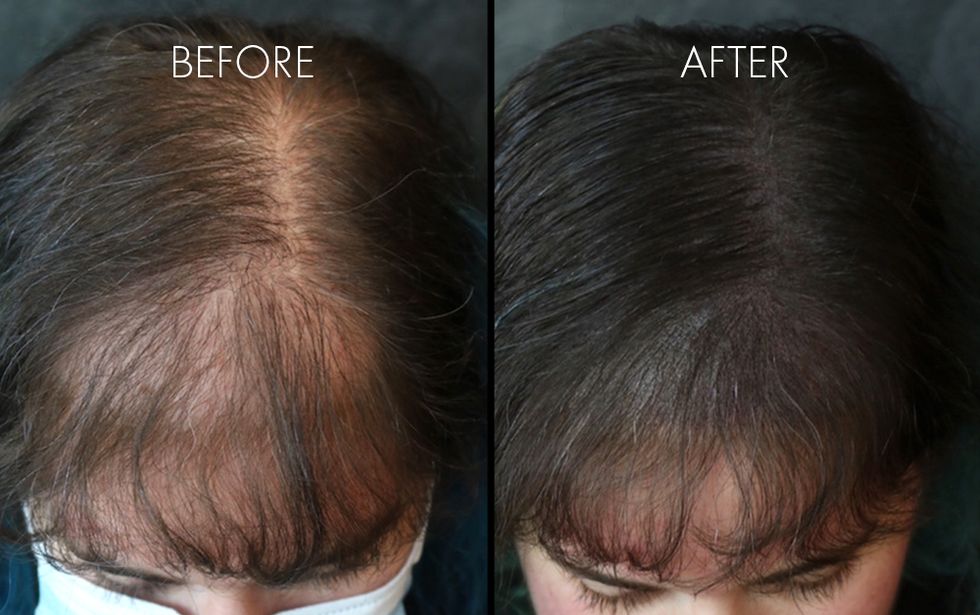
Restoring the appearance of hair is about more than creating dots. It's about understanding how every impression contributes to a natural-looking result.
Scalp micropigmentation (SMP) is a specialized cosmetic pigmentation technique that creates the visual impression of hair follicles on the scalp. It may help reduce the visible contrast of thinning areas, create the appearance of a closely shaved hairstyle, or camouflage certain suitable scars.
At T Villa International, our Scalp Restoration Artistry Masterclass introduces students to the essential principles of professional scalp micropigmentation, combining technical knowledge, facial analysis, artistic precision, and responsible client assessment.
Students learn how to evaluate scalp characteristics, understand hair growth patterns, design natural-looking hairlines, select appropriate pigments, and create controlled follicle impressions that complement the client's existing hair and facial structure.
Special attention is given to dot size, spacing, density, pigment saturation, hairline softness, and the gradual development of realistic-looking coverage.
Because scalp micropigmentation is not a one-pattern-fits-all procedure, we emphasize understanding the differences between clients with thinning hair, shaved hairstyles, and suitable scar-camouflage needs.
Through instructor-led demonstrations, practical exercises, and personalized guidance, students begin developing the technical foundation needed to approach SMP with precision and professional responsibility.
Our small-group training environment allows students to ask questions, receive individual feedback, recognize application mistakes, and improve through repeated supervised practice.
Techniques Covered
- 1. Scalp Micropigmentation FundamentalsIncluded
- Introduction to scalp micropigmentationIncluded
- Understanding cosmetic hair follicle simulationIncluded
- Differences between SMP, hair tattooing, and hair transplantationIncluded
- Scalp anatomy and skin characteristicsIncluded
- Hair follicle appearance and natural growth patternsIncluded
- Skin healing and pigment retention fundamentalsIncluded
- Client suitability and realistic treatment expectationsIncluded
- Contraindications and procedure limitationsIncluded
- 2. Scalp Assessment & Client ConsultationIncluded
- Understanding different patterns of hair lossIncluded
- Scalp condition assessmentIncluded
- Identifying thinning areas and visible scalp contrastIncluded
- Evaluating existing hair densityIncluded
- Recognizing conditions requiring medical referralIncluded
- Client consultation and informed consentIncluded
- Treatment planning and documentationIncluded
- Setting realistic expectations for multiple sessions and healed resultsIncluded
- 3. Hairline Design & Facial AnalysisIncluded
- Hairline design according to facial structureIncluded
- Understanding natural hairline irregularityIncluded
- Soft and age-appropriate hairline conceptsIncluded
- Receding hairline design principlesIncluded
- Creating balanced temple transitionsIncluded
- Avoiding overly sharp or artificial-looking hairlinesIncluded
- Designing natural-looking shaved-head effectsIncluded
- Hairline mapping and symmetry exercisesIncluded
- 4. Pigment Selection & Color TheoryIncluded
- Introduction to SMP pigmentsIncluded
- Pigment characteristics and suitabilityIncluded
- Matching pigment appearance to existing hairIncluded
- Understanding skin undertonesIncluded
- Pigment dilution and saturation conceptsIncluded
- Understanding healed pigment appearanceIncluded
- Factors influencing pigment retention and color changeIncluded
- Avoiding excessive darkness and inappropriate pigment selectionIncluded
- 5. SMP Machine & Needle FundamentalsIncluded
- Introduction to SMP equipmentIncluded
- PMU machine and cartridge familiarizationIncluded
- Needle configurations and applicationsIncluded
- Hand positioning and machine controlIncluded
- Controlled pigment placement principlesIncluded
- Understanding skin responseIncluded
- Proper equipment handling and hygieneIncluded
- Avoiding unnecessary tissue traumaIncluded
- 6. Precision Follicle Simulation TechniquesIncluded
- Creating realistic follicle impressionsIncluded
- Dot size and spacing controlIncluded
- Consistent impression placementIncluded
- Natural-looking density distributionIncluded
- Soft transitions between pigmented and untreated areasIncluded
- Building the appearance of gradual densityIncluded
- Avoiding oversized or merged pigment impressionsIncluded
- Understanding layered treatment planningIncluded
- Recognizing over-saturation and unnatural patternsIncluded
- 7. Hair Density EnhancementIncluded
- Understanding density illusion techniquesIncluded
- Working with existing hairIncluded
- Reducing visible scalp contrastIncluded
- Crown and thinning-area treatment conceptsIncluded
- Creating balanced pigment distributionIncluded
- Matching the visual appearance of surrounding hairIncluded
- Planning realistic coverage expectationsIncluded
- 8. Shaved-Head AppearanceIncluded
- Introduction to closely shaved hair simulationIncluded
- Hairline design and scalp coverage planningIncluded
- Consistent follicle impression patternsIncluded
- Natural variation in density and placementIncluded
- Creating soft transitions around the temples and hairlineIncluded
- Avoiding an overly uniform or artificial appearanceIncluded
- 9. Scar Camouflage FundamentalsIncluded
- Introduction to scalp scar camouflageIncluded
- Understanding differences in scar tissueIncluded
- Assessing scar maturity and suitabilityIncluded
- Recognizing limitations of pigment retention in scar tissueIncluded
- Consultation and realistic expectationsIncluded
- Identifying cases requiring medical clearance or advanced specialist trainingIncluded
- 10. Hygiene, Safety & Client CareIncluded
- Infection prevention and cross-contamination controlIncluded
- Proper workstation preparationIncluded
- Sterile single-use needle and cartridge handlingIncluded
- Skin assessment and contraindicationsIncluded
- Client consent and treatment documentationIncluded
- Healing stages and aftercareIncluded
- Recognizing possible complicationsIncluded
- Touch-up and maintenance considerationsIncluded
- Appropriate referral to healthcare professionalsIncluded
- 11. Hands-On Practical TrainingIncluded
- Instructor-led demonstrationsIncluded
- Hairline mapping exercisesIncluded
- Follicle pattern developmentIncluded
- Latex skin practiceIncluded
- Dot-placement and spacing exercisesIncluded
- Machine-handling and hand-control exercisesIncluded
- Density-building exercisesIncluded
- Supervised practical applicationIncluded
- Individual technique corrections and instructor feedbackIncluded
- Live-model practice subject to student readiness, model availability, and safety requirementsIncluded
- 12. Professional DevelopmentIncluded
- Client consultation techniquesIncluded
- Building an SMP portfolioIncluded
- Basic treatment pricing considerationsIncluded
- Understanding multi-session service planningIncluded
- Client communication and expectation managementIncluded
- Equipment and supply selection guidanceIncluded
- Continuing education and skill developmentIncluded
Training Includes
- Course theory and essential principles
- Relevant anatomy and skin knowledge
- Sanitation, hygiene, and safe work practices
- Step-by-step instructor demonstrations
- Guided practical exercises
- Latex or mannequin practice, as appropriate to the course
- Supervised hands-on practice on live models
- Training materials for classroom use
- Personalized feedback and technique correction
- Post-training support for course-related questions and guidance
- Certificate upon successful completion
- Our guidance continues beyond the classroom—helping you build confidence as you put your skills into practice.
Live-model practice is subject to training requirements, readiness, and scheduling. We also provide guidance on selecting appropriate PMU machines and supplies according to your budget.